Stopping the enemy on the approaches to the NPP and Odesa, standing firm through the most difficult days of March 2022, and immediately transitioning into large-scale reconstruction – this is the path honorably walked by the Voznesensk community in the Mykolaiv region. Moving from post-disaster recovery to creating a new level of quality of life, the community is deploying solar generation at municipal facilities, establishing an inclusive modular ASC, expanding its veteran support network, and creating conditions for the economic self-realization of women.
Viktoriia Baltser, Secretary of the Voznesensk City Council, shares insights on systemic autonomization, attracting international partners, and preparing the large-scale “Care & Career” project within the “Localist” initiative.
- Community Profile
«The Voznesensk community is an unconquered outpost of the south of Ukraine, which stopped the enemy on the way to the NPP and Odesa and today is actively building an energy-independent, barrier-free, safe, and economically capable future,» – this is how Viktoriia Baltser presents her region.
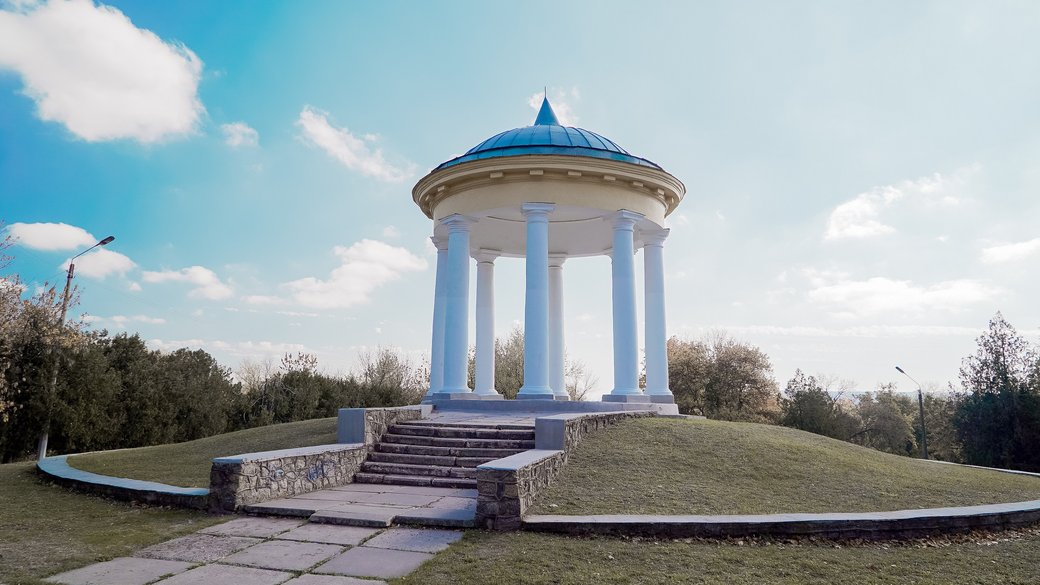
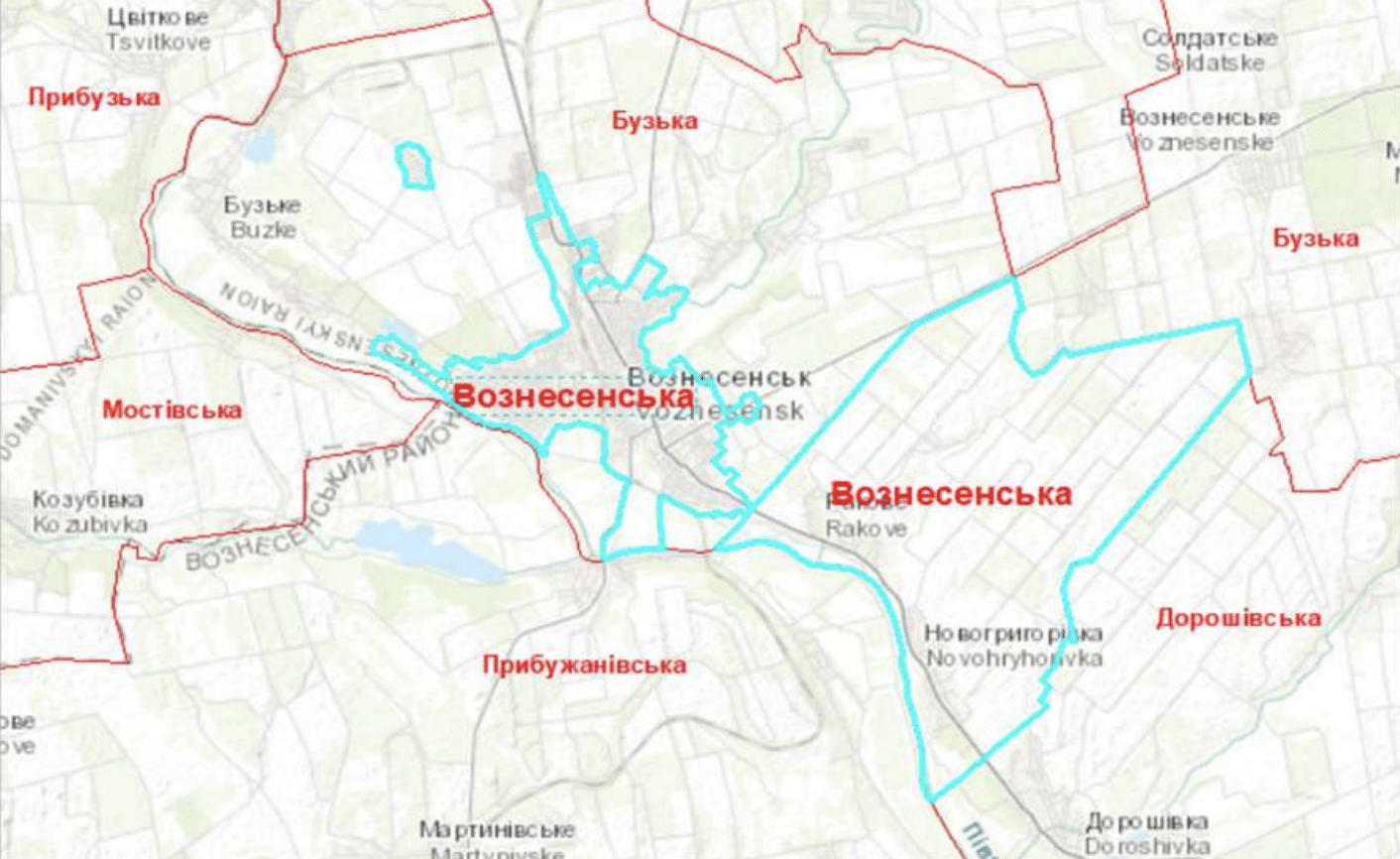
The Voznesensk Urban Territorial Community is located in the south of the Mykolaiv region and is the center of the Voznesensk District. It includes three settlements – the city of Voznesensk and the villages of Novohryhorivka and Rakove, with a total area of almost 90 sq. km. Today, the community unites 37.4 thousand residents, of which over 2.9 thousand are internally displaced persons who have found their new home and safe shelter here.
This is an economically capable territory with great potential: budget revenue exceeds UAH 492.9 million, of which own revenue accounts for about UAH 170.4 million. More than 2,250 business entities operate in the community. The local economy relies on light and garment industries, leather tanning, production of building materials (bricks and foam concrete), as well as a developed food and processing industry – brewing, baking, and sausage production.
In modern management, the community relies on international cooperation and attracting external resources. Voznesensk has systemic experience in cooperation with key international partners – UNDP, GIZ, DOBRE program, DRC, Save the Children, UNICEF, and IOM. The community develops strong sister-city ties with the municipalities of Ikast-Brande (Denmark), Lääne-Harju (Republic of Estonia), Geldern (Germany), Radomsko (Poland), and Skuodas (Lithuania).
The main pride of local residents is the heroic defense of the city in March 2022. Thanks to the soldiers of the 80th Separate Air Assault Brigade, the 28th Territorial Defense Brigade, and local volunteers, the city held out, giving impetus to rapid rates of reconstruction, autonomization of critical infrastructure, and digitalization of municipal services.
Voznesensk region is an example of a unique combination of traditions and modernity. The only city in the region located at the intersection of road, rail, and river routes on the Southern Bug, as well as one of the largest suppliers of fresh radishes in Ukraine.
«The uniqueness of our community is a combination of a multifaceted heritage and cutting-edge solutions: from a European-level motoball arena for 10,000 spectators and underground halls of fresh and mineral water to the picturesque Lake Malta in a granite quarry and a modern Adult Education Center,» – emphasizes Viktoriia Baltser.
- Challenges
Having suffered significant destruction in the first days of the full-scale war, the Voznesensk community was forced to adapt quickly to new conditions. The main decision that helped to move forward was the transition from point-to-point response to emergency situations to systemic autonomization of infrastructure, using a strategic approach, and introducing barrier-free social services.
Among the largest challenges faced by the community:
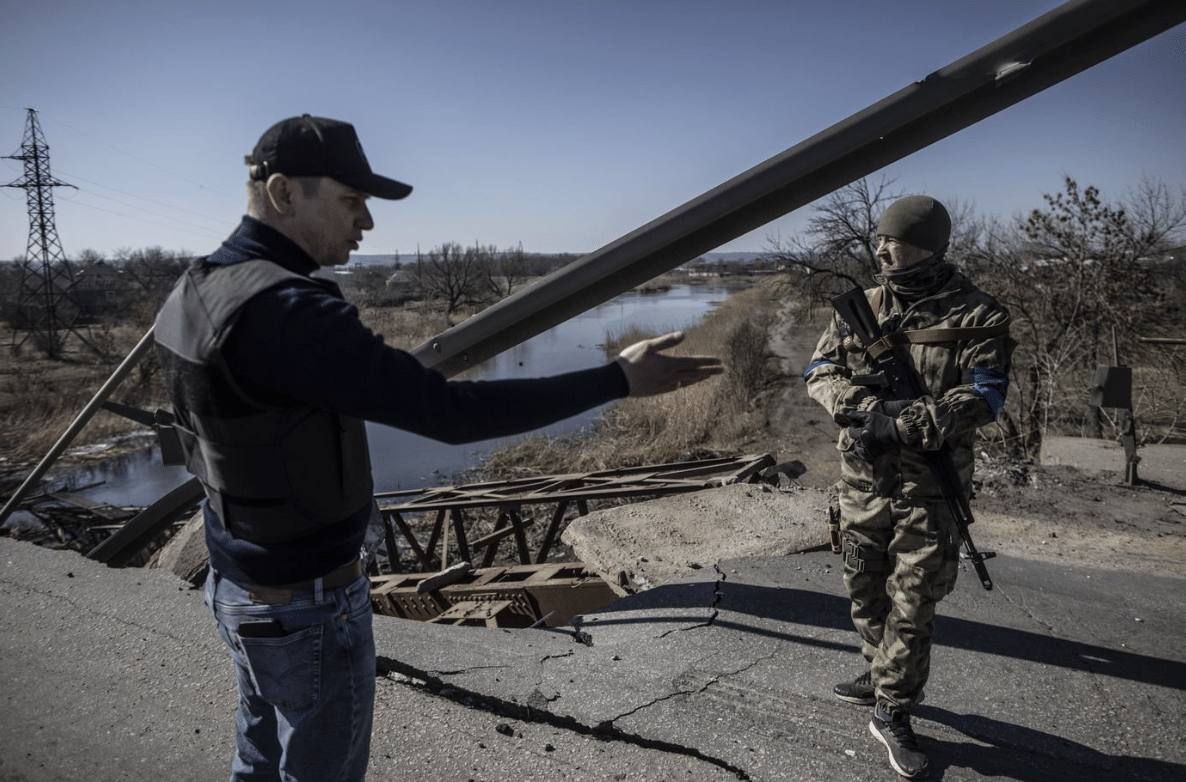
Destruction of critical and residential infrastructure. In the community, more than 700 detached houses were damaged (14 completely destroyed), three key bridges were blown up, a rural clinic and a five-story building were destroyed, where 27 families lost their homes, and 5 schools and 3 kindergartens were damaged. To overcome the consequences, temporary crossings were built in the community, the bridge on the H-24 highway and railway bridges were overhauled, and international grants were attracted to repair shelters. Today, the provision of social, medical, educational, and municipal services has been fully restored in Voznesensk.
Energy security and the threat of blackouts. Persistent risks of disruptions in water supply and basic service provision forced preemptive action. The response was the installation of solar power plants (SPP) at critical municipal facilities — in particular, at the water utility pumping station and the ASC, as well as the equipment of energy-efficient boilers and the drilling of new artesian wells.
Social adaptation and support for vulnerable categories. The need to provide housing, employment, psychological support, and medical care to over 2.9 thousand IDPs, more than 2,000 veterans and their families required new institutional solutions. The community opened the “VOZVET CENTER” veteran hub, the IDP Council, social adaptation spaces, the Adult Education Center, and developed new economic recovery projects.
The experience of overcoming these trials completely changed the governance philosophy in the community:
«The community shifted from point-to-point response to emergency situations to systemic autonomization of infrastructure and the implementation of mobile and barrier-free social services.»
Summarizing the main lesson and management decisions that allow the community to develop despite the challenges of war, Viktoriia notes:
«We were helped to move forward by a strategic and human-centered approach: the development of a Comprehensive Recovery Program, updating the Community Development Strategy, and active attraction of international grant funding.»
- Victories
One of the biggest achievements of the Voznesensk community is the implementation of systemic projects that do not simply eliminate the consequences of destruction, but create a fundamentally new quality of life and safety for residents. Key achievements and implemented solutions:
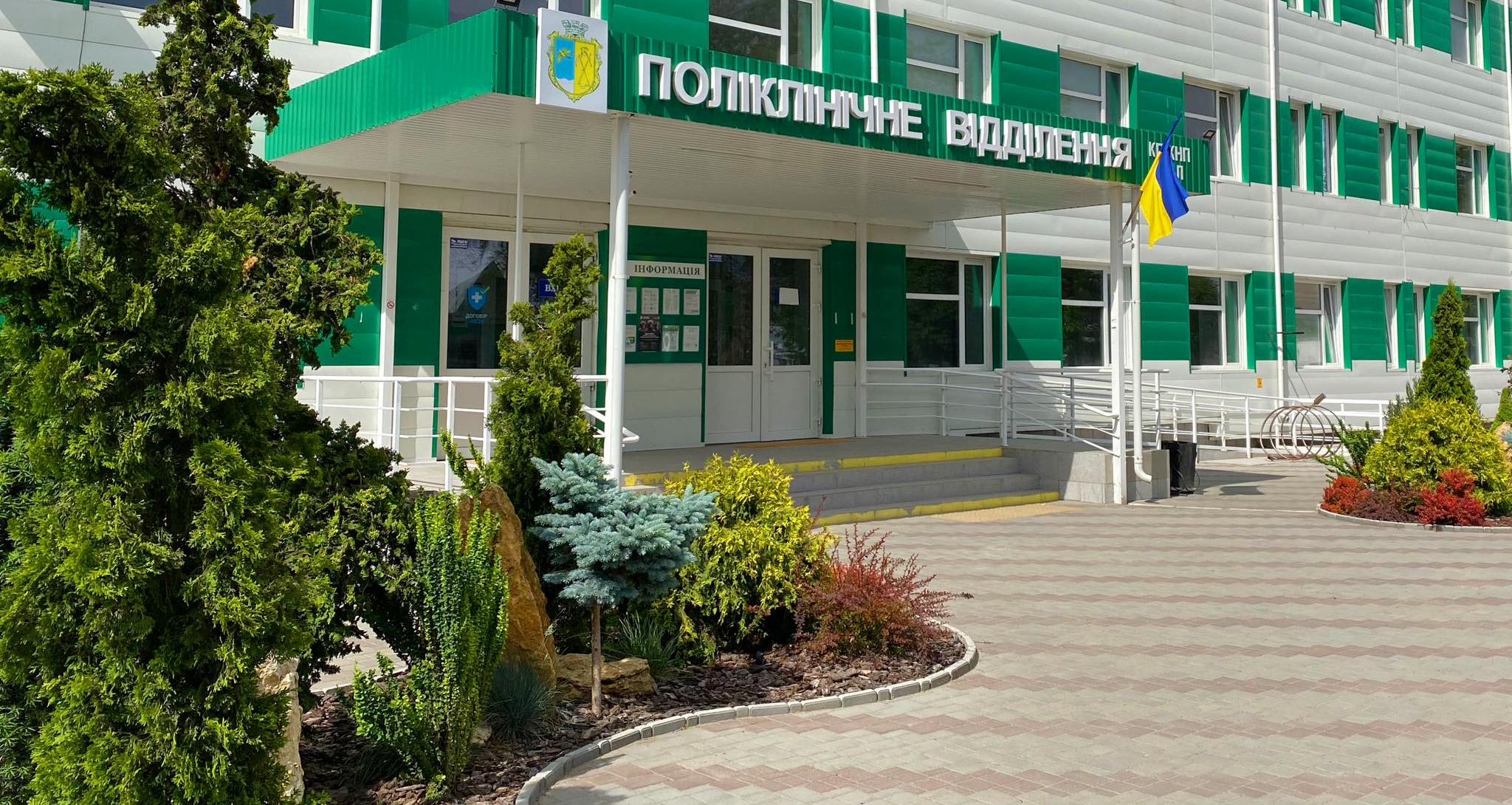
Modular ASC (Diia.CENTER). Instead of limited or damaged administrative infrastructure, a new modern, fully barrier-free space was built. Today, residents and IDPs can receive over 414 types of high-quality state and municipal services here.
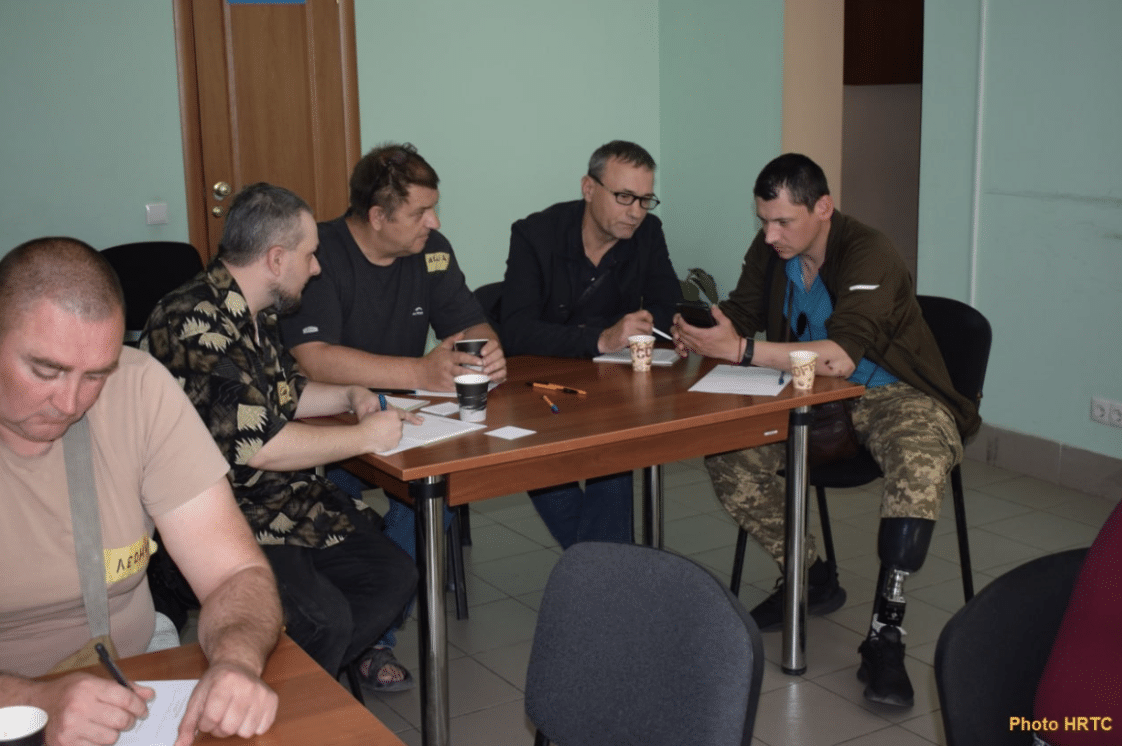
Veteran hub “VOZVET CENTER”. The community opened the first comprehensive space to support defenders and their families. An integrated system of psychological, legal, social, and business support for veterans was established, helping them adapt to civilian life and implement their own initiatives.
Renewable energy at critical facilities. The installation of solar power plants at the Utility Enterprise “Water Supply of Voznesensk” and the ASC building significantly reduced city budget expenses and ensured an uninterrupted water supply and operation of the institution during blackouts. Thanks to the introduction of modern spaces and mobile home service teams, receiving administrative, medical, and social services for all community residents has become convenient, fast, and accessible.
Evaluating the importance of international support, Viktoriia Baltser emphasizes:
«The role of partners and grant funding in our victories is decisive. Thanks to cooperation with UNDP, GIZ, the DOBRE program, DRC, UNICEF, and USAID, we managed to attract direct funding and specialized equipment for hospitals, the water utility, educational institutions, and the ASC.»
- A new breath with the “Localist” project
«The women of the Voznesensk community carry not only their families on their shoulders, but also the economy in conditions of war. We are inspired by the opportunity to give them not just new knowledge, but a real tool for financial independence and self-realization. When a mother knows that her child is safe and supervised in the Kids Hub while she is acquiring the profession of a baker, seamstress, or opening her own business, it creates a new impulse for the whole community. We are working to transform every barrier into a new opportunity for development!» – shares Viktoriia.
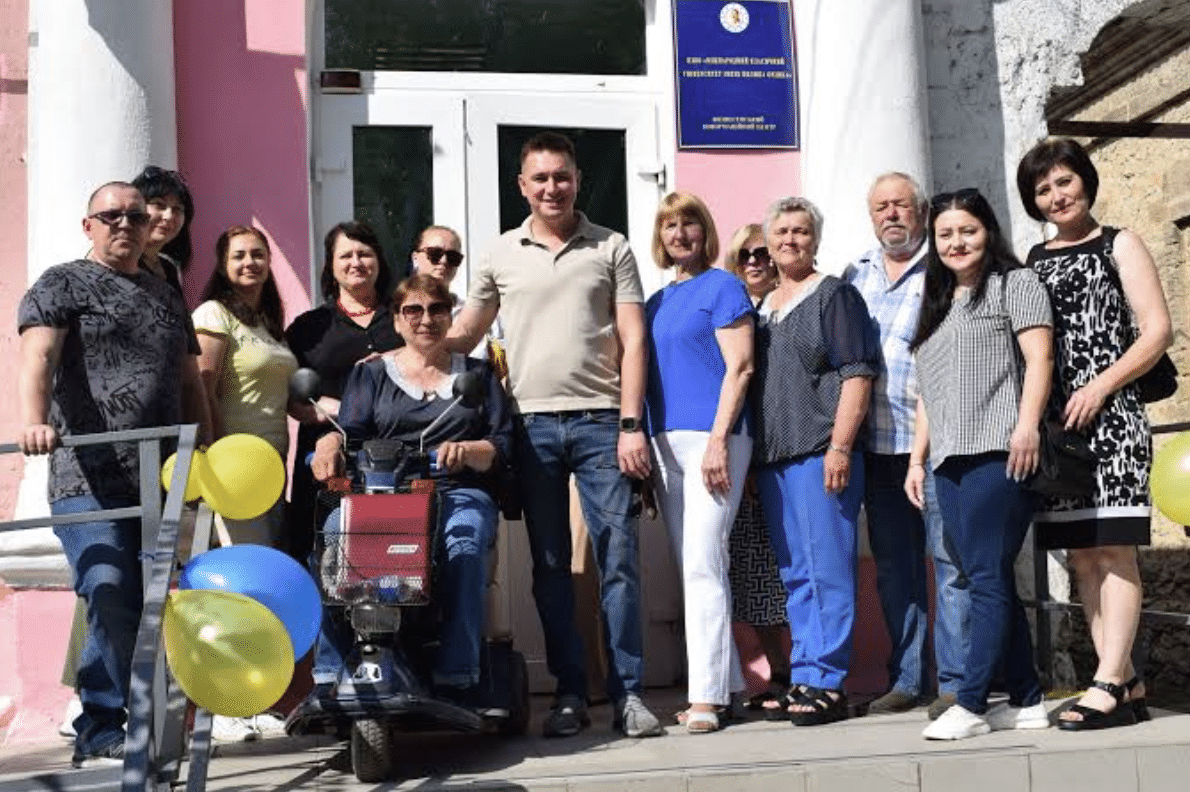
Participation in the training and mentorship program of the “Localist” project by GoLOCAL allowed the Voznesensk community to approach solving socio-economic challenges systemically and professionally. Thanks to the partnership of CO “Voznesensk Community Foundation”, the City Council, the Employment Center, and local employers, the community prepared a large-scale project proposal “Care & Career”.
Key aspects and innovative solutions of the project initiative:
Economic capability for women. The project is aimed at returning about 180 women with caregiving responsibilities (mothers of young children, caregivers, and women among IDPs) to active economic life. The program covers 20 training groups in 10 practical areas (from seamstress, barista, and baker to dietetics and makeup artistry), the business course “From Idea to Own Business” (148 training spots, 790 hours of training), as well as 10 workshops.
Overcoming caregiving and psychological barriers. The innovation of the project is the creation of the Kids Hub children’s space with an area of 90 m² (about 300 child-hours of care during mothers’ classes), holding 6 integration events, and providing 120 hours of group and individual psychological support.
Career guidance and clear results. The complex includes 220 hours of career counseling, job placement with flexible or remote schedules for at least 50 women, 150 hours of internship mentorship, and holding 2 job fairs. It is expected that at least 35% of graduates will start receiving their own income through employment, self-employment, or paid orders even before the completion of the project.
Systemic achievements from GoLOCAL. The biggest discovery during training for the team was the high-quality structuring of the project, the development of a logical matrix with measurable indicators, and a well-founded budget calculation according to international donor standards. For maximum efficiency, the community is already using the base of the Adult Education Center, a culinary studio, a community bakery, a digital printing workshop, and building a network of partnerships with employers (PE “Viktoriia 8”, LLC “Nimfeia”, local cafes, and bakeries).
- People and the Future
«The engine of change in the Voznesensk community is a powerful synergy between the city council, the department of strategic planning and development, the civic sector — in particular, the CO “Voznesensk Community Foundation”, local business, the Employment Center, the “Vulyk” youth space, and active residents. Each of them makes their contribution every day to our joint development,» – emphasizes the Secretary of the City Council.
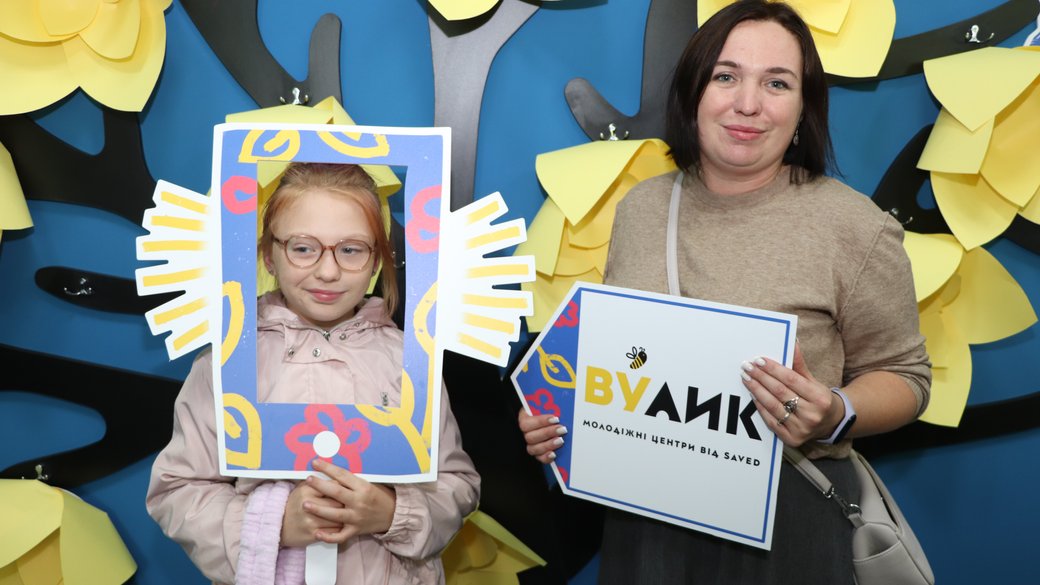
Thanks to this united work and clear team interaction, Voznesensk confidently implements the most ambitious initiatives and builds long-term plans.
«In five years, we see the Voznesensk community as energy-independent, environmentally clean, barrier-free, safe, and economically capable — with developed small and medium business, a modern compost cluster, deep waste processing, high-quality adult education, and equal opportunities for every resident.»
The main source of motivation for the team remains the memory of the heroism of defenders and real changes in people’s lives. Responsibility to those who protected Voznesensk in March 2022 and warriors who fight for the freedom of Ukraine on the battlefield every day inspires us to move forward. Feeling the support of international partners and twin cities, as well as the sincere smiles of residents who, thanks to implemented projects, find a new job, open their own business, and feel care, adds inspiration to overcome any challenges.
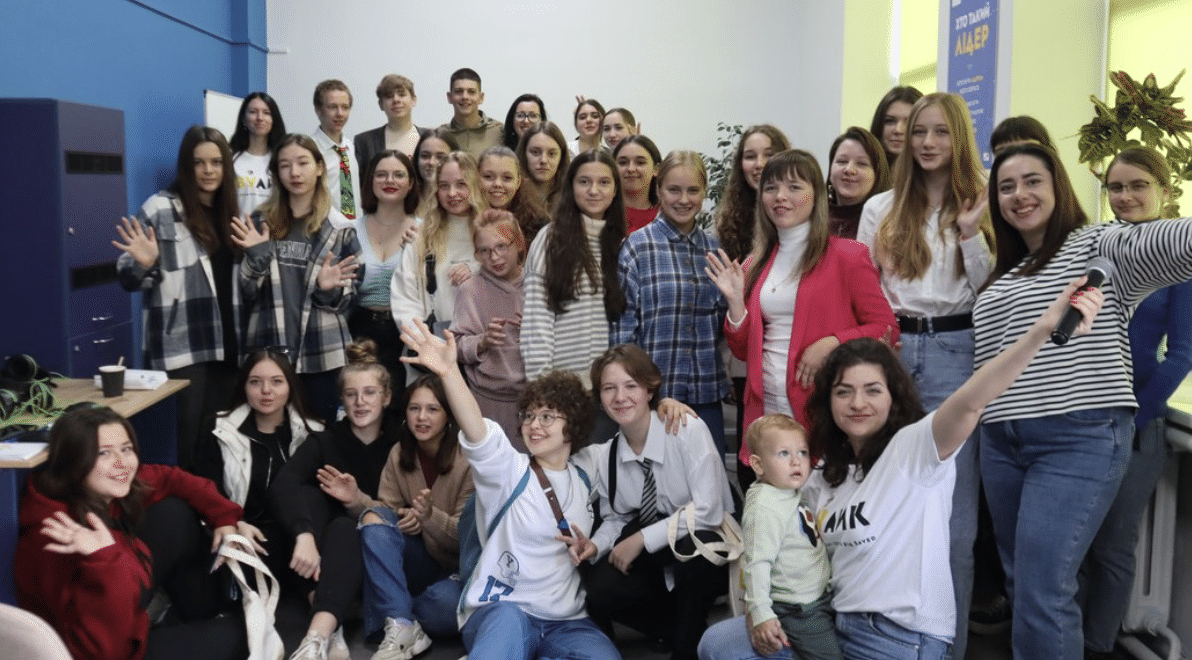
«Our advice to other communities: do not be afraid to start with small steps and structure your vision clearly. Build trust through transparency, do not hesitate to learn from experts, and remember: donors and partners invest not just in walls or equipment, but in ready, motivated, united, and systemic teams!» – concludes Viktoriia Baltser.
