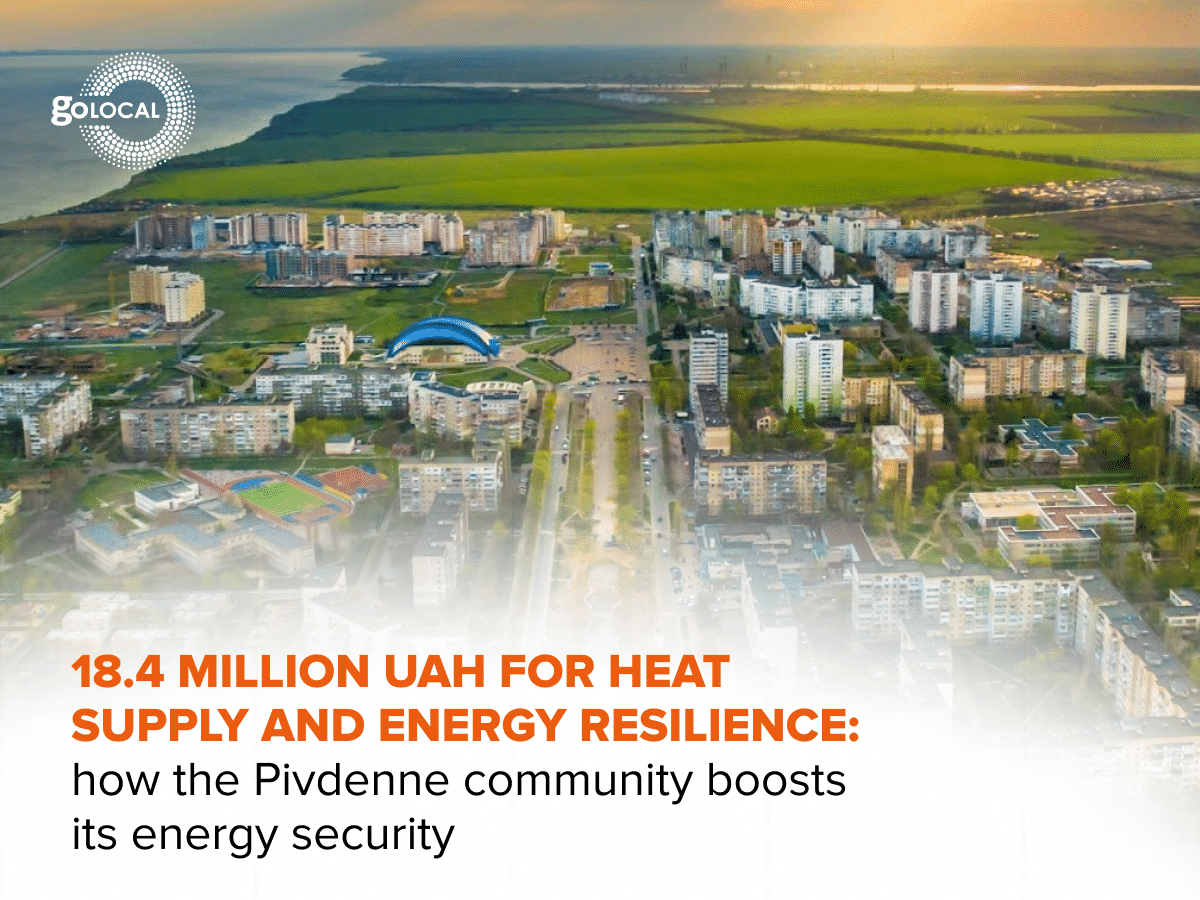
Despite continuous shelling, falling budget revenues, and the shutdown of key enterprises, the Pivdenne community in the Odesa oblast continues to develop its local economy, attract international support, and implement solutions to strengthen energy resilience. Today, more than 2,000 entrepreneurs are registered in the community, and completed energy projects help provide residents with power and heat even during prolonged blackouts.
Olena Kamalova-Kutynets, Deputy Head of the Department of Economy of the Pivdenne City Council, spoke about how the community managed to adapt to new conditions, ensure an uninterrupted heat supply during blackouts, and continue working on new projects. We also discussed entrepreneurship development, energy solutions, and the community’s experience in the GoLOCAL project.
1. Pivdenne Community in Numbers
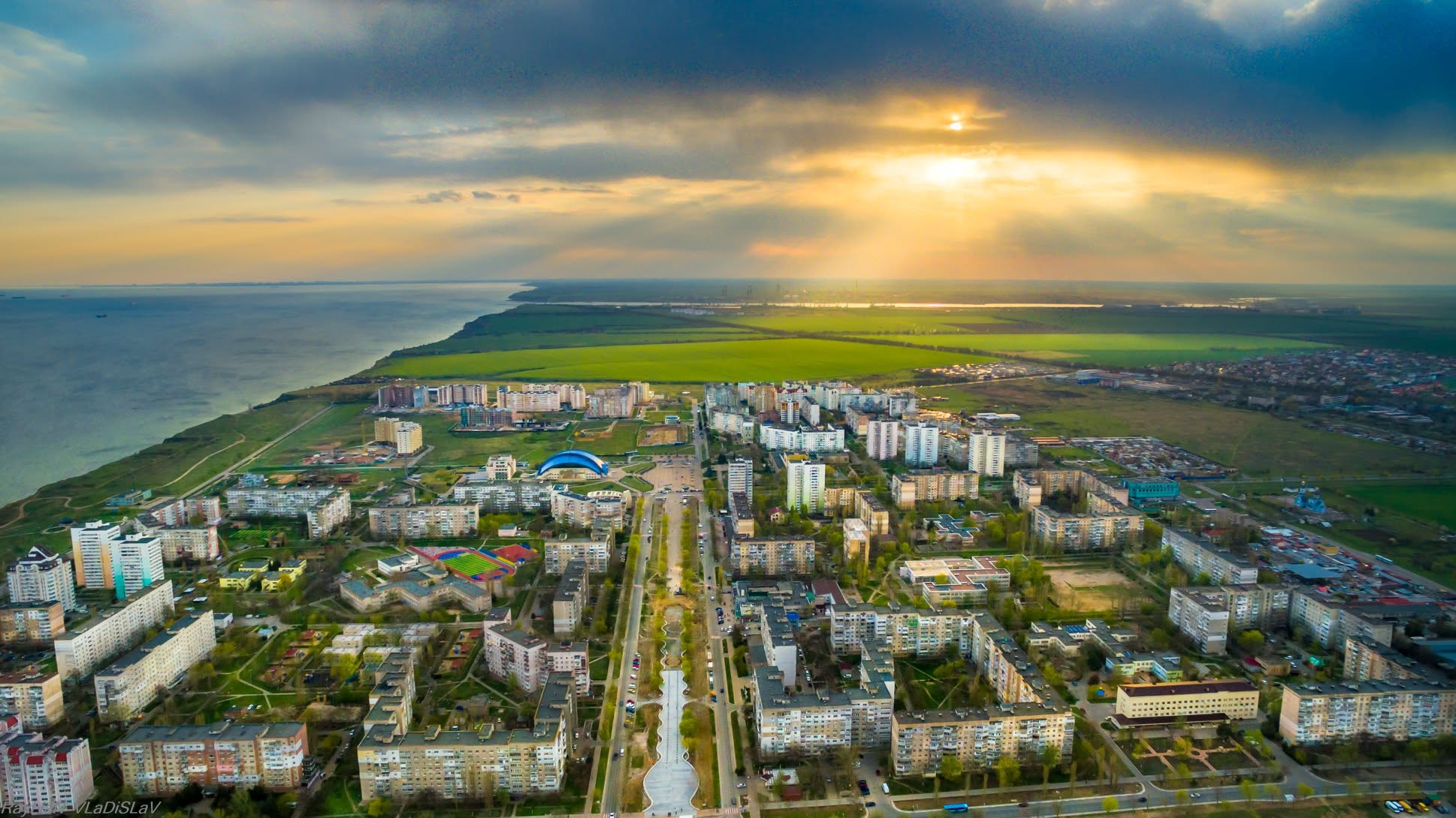
The Pivdenne City Territorial Community is located in the Odesa oblast on the northwestern coast of the Black Sea. It comprises the city of Pivdenne, the settlement of Novi Bilyari, and five villages: Koshary, Sychavka, Bilyari, Hryhorivka, and Buldynka.
The total area of the community is 108 sq. km, with a population of 35,138 people. Since the beginning of the full-scale war, the community has also welcomed around 5,000 internally displaced persons, 4,887 of whom are officially registered. Local budget revenues and expenditures for 2026 are projected at 727.545 million UAH.
Olena Kamalova-Kutynets notes that attracting external funding has become one of the community’s key areas of work. In particular, in 2026, the project “New Construction of the Active Ageing Center ‘Circle of Life'” received about 9.6 million UAH under the “Culture in Recovery” program, funded by the Partnership Fund for a Resilient Ukraine.
2. An Interesting Fact About the Community
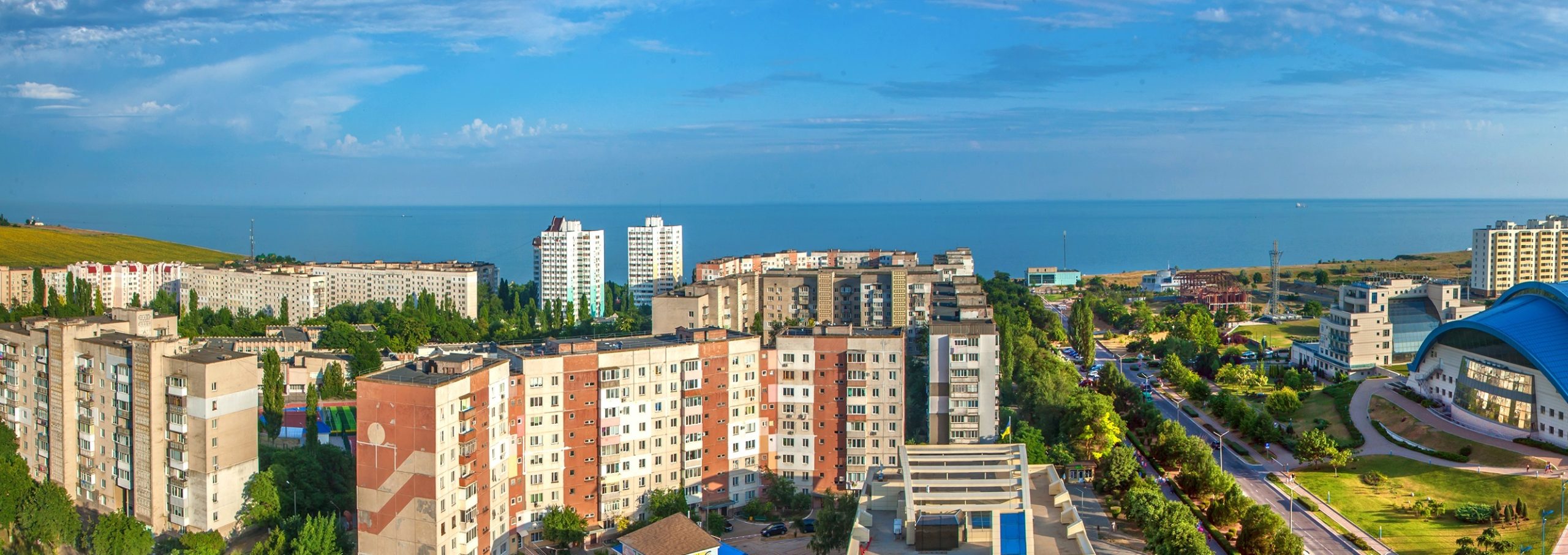
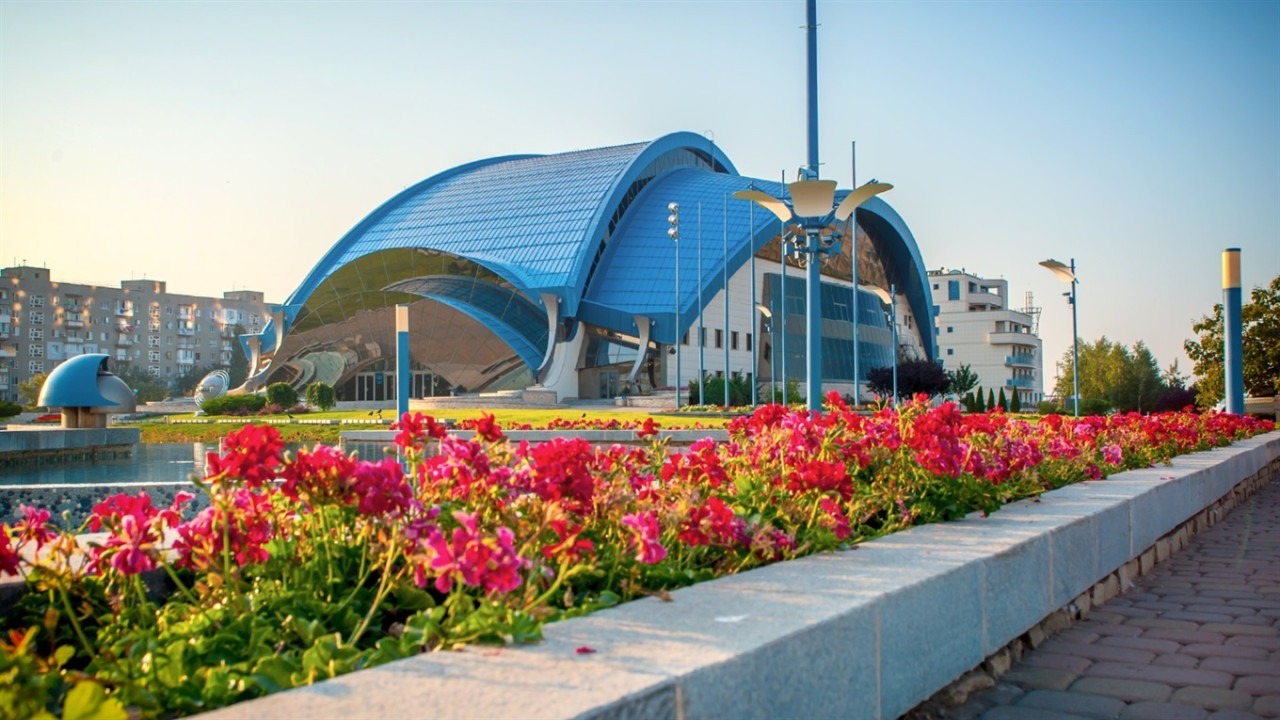
The city of Pivdenne impresses with its compactness and high density of quality infrastructure. The urban built-up area covers just 1 sq. km, yet it features a European-standard space with a high-capacity hospital, an outpatient clinic, modern schools, kindergartens, and fully equipped public spaces.
In recent years, the community has implemented a series of infrastructure and security solutions. Four Points of Invincibility were established, a new police station was opened in the Novobilyarskyi starosta district, and an esplanade along with a public space were created. With donor support, windows were restored in two schools and the municipal boiler house was restored following shelling, and educational shelter facilities were equipped with furniture.
Olena describes the community’s potential as follows:
“The Pivdenne community is a small community of great opportunities. We take pride in the fact that on such a compact territory, we managed to build a developed infrastructure where every resident feels comfortable and protected.”
3. How the War Changed the Approach to Community Development
The full-scale war significantly impacted the economy of the Pivdenne community. Due to constant shelling, the largest revenue-generating enterprises were forced to declare downtime or suspend operations to ensure employee safety. This, in turn, affected local budget revenues.
At the beginning of the full-scale war, about 5,000 people left the community. At the same time, roughly the same number of internally displaced persons arrived. According to Olena, the trust of the people became one of the main factors motivating the team to keep moving forward.
Budget cuts and the shutdown of key enterprises forced the community to rethink its resource-gathering strategy, actively collaborating with international partners and grant programs.
“Due to the war, the community’s budget decreased significantly, and major enterprises went into downtime or stopped operating altogether. We realized that we could no longer rely solely on ourselves as we did before. We decided to attract international assistance, partner support, and participate in grant funding. That is precisely why we joined the GoLOCAL project.”
4. Major Victories: Uninterrupted Heat Supply and Solar Generation
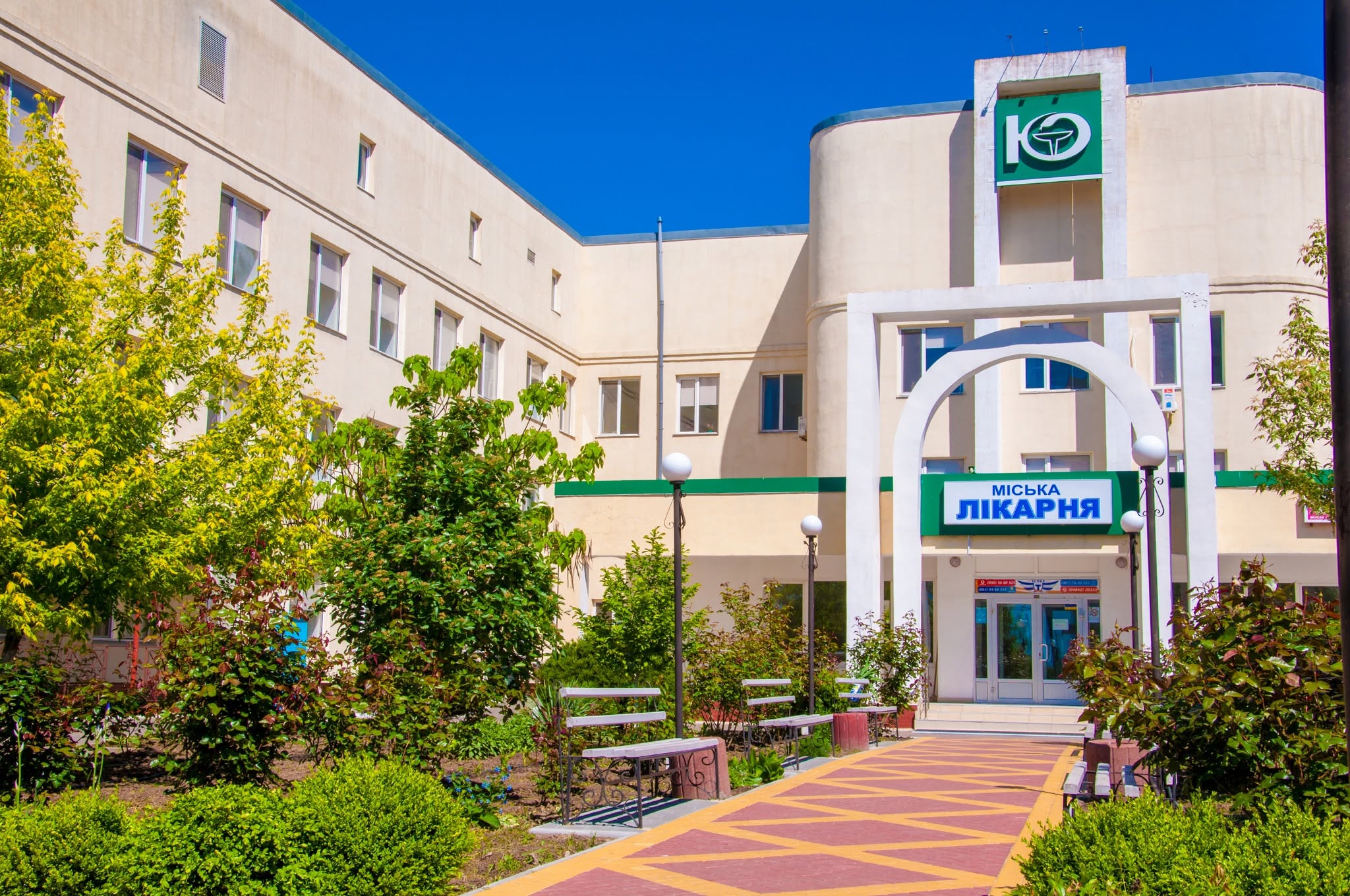
The community’s drive toward energy independence materialized through complex technical solutions. Currently, projects involving the installation of solar panels for School No. 2 (supported by Lithuania), the municipal hospital, and the public utility “Yuzhvodokanal” are underway.
However, the main victory and a true breakthrough was securing heat for the city during systemic blackouts:
“What we are most proud of is the successful installation and operation of the cogeneration unit at the municipal boiler house, which launched in 2025. Throughout the 2025/2026 autumn-winter period, all residents were provided with heat, even during long power outages. We know that only two communities in the Odesa oblast managed to implement a similar project. We are proud to be among the pioneers.”
5. A New Breath of Energy with the Localist Project
As part of the Localist project, the team of the Pivdenne community is deepening its knowledge and skills in project design and implementation. Currently, the community is working on a public-private partnership initiative designed to deliver practical economic and social impact – the public recovery space “Open Platform for Joint Action.”
Speaking about one of the main key takeaways after the training, Olena notes:
“The biggest realization was that a successful project starts not just with a good idea, but primarily with a clear definition of the problem, the needs of target groups, and the capabilities of the community.”
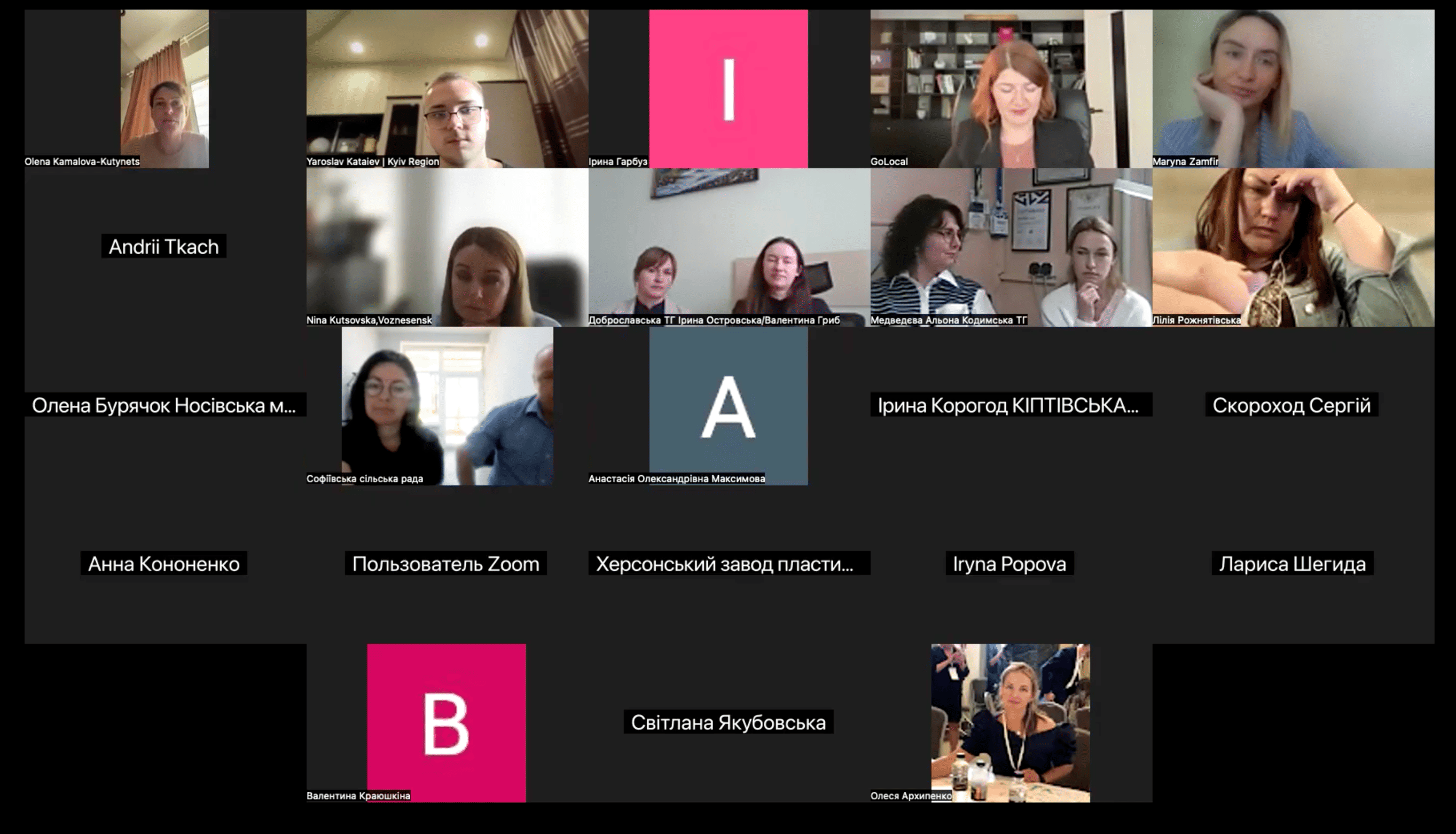
The team plans to apply this newly acquired knowledge when preparing investment proposals, grant applications, and international cooperation projects:
“We plan to utilize a project-based approach more systematically in our work: clearly formulating the problem, setting goals and expected results, and working with indicators, risks, and stakeholders. We also intend to apply these tools when preparing investment proposals, grant applications, and international cooperation projects.”
6. People and the Future of the Pivdenne Community
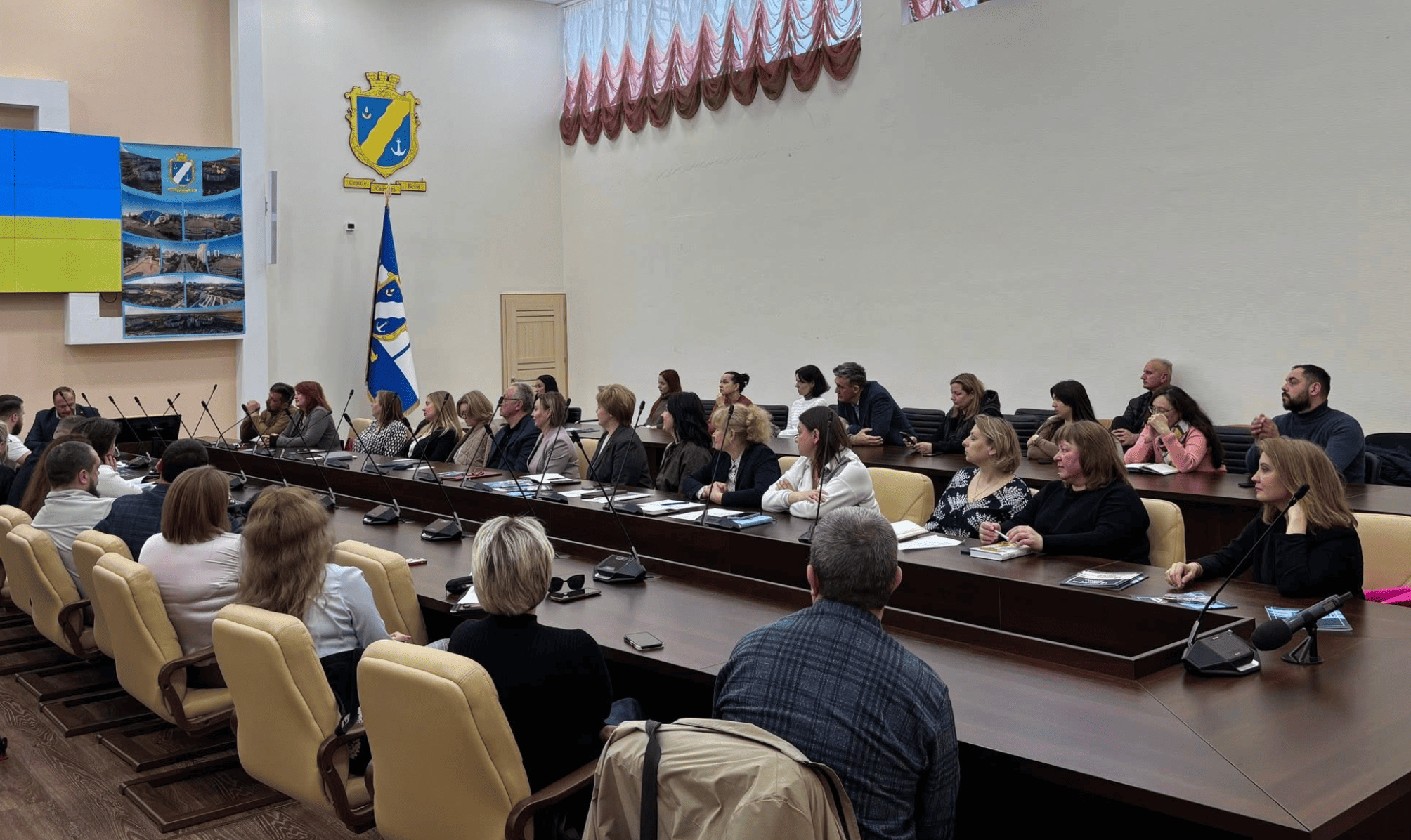
The driver of change in the community is the Department for Strategic Development, Investments, International Cooperation, Tourism, and Project Activities within the Economy Directorate of the City Council. The team works in close synergy with the civic sector, particularly with the NGO “Center for Social Partnership”.
The best indicator of trust in the community is business growth: today, over 2,000 entrepreneurs are registered here, which, according to Olena, is even higher than before the full-scale war.
“What inspires us is that despite the shelling, people continue to come here and launch businesses. This proves that people believe in our community and in Ukraine. Our primary motivation is to ensure a happy and safe childhood for our children.”
In its 5-year vision, the Pivdenne community sees itself as safe, developed, technologically advanced, touristically attractive, and comfortable for people of all ages.
In closing, Olena shares advice for communities that are just starting to attract grant funding and execute their own projects:
“Establish specialized departments for project management and investment attraction within local self-government bodies, recruit qualified personnel and energy managers, and never stop learning.”
